
THE PRACTICE OF
STILLNESS
A practical guide to setting your environment and
beginning an effective meditation routine..
LIGHTING
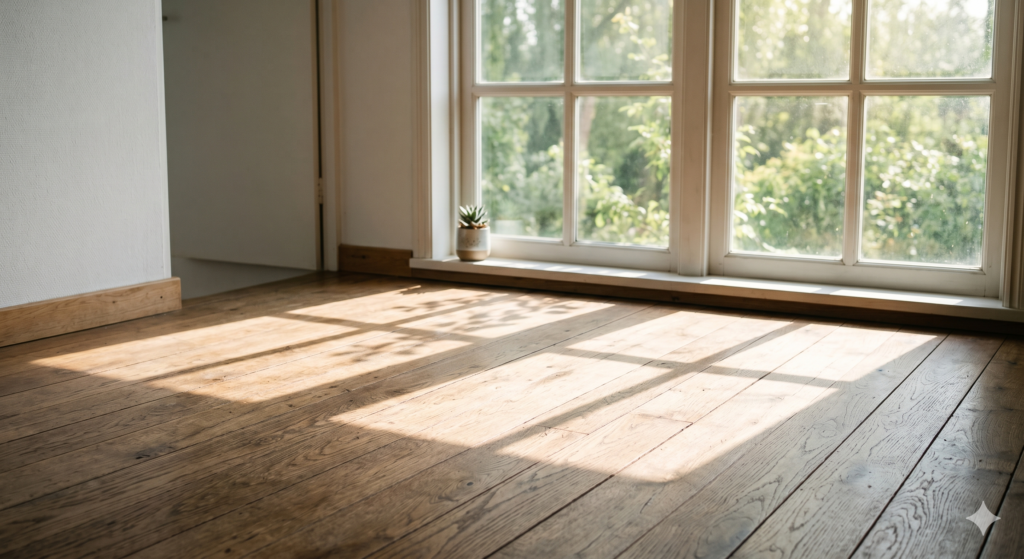
Avoid harsh overhead lights. Rely on natural window light or a single, warm-toned lamp to reduce optical strain and signal rest to your nervous system.
POSTURE
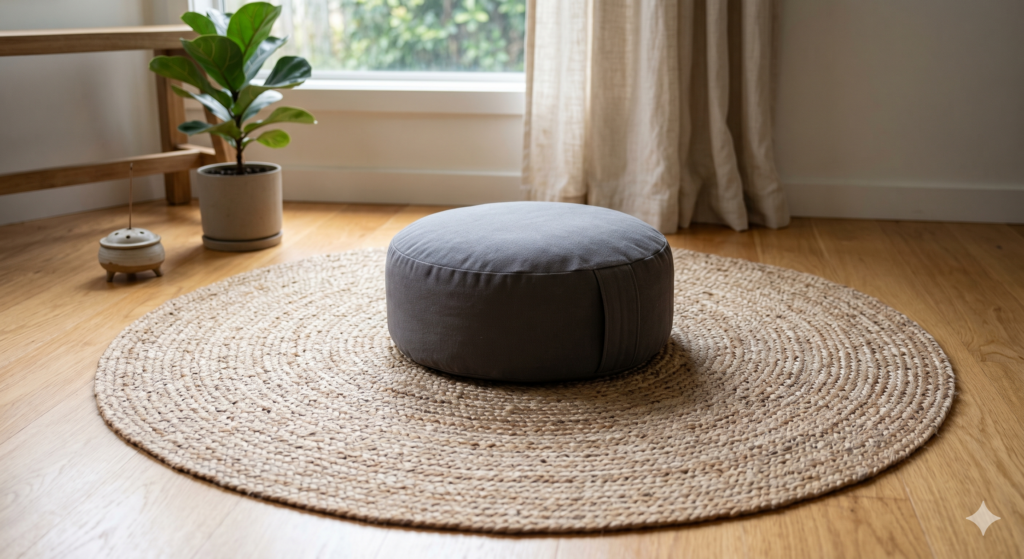
Comfort is critical, but so is alertness. Sit on a firm cushion or a supportive chair. Keep your spine straight but relaxed, allowing your lungs to expand fully without effort.
SOUND

Silence is ideal, but if you live in a noisy environment, use continuous ambient sounds—like brown noise or a rain soundscape—to mask unpredictable background disruptions.

The goal is not to empty your mind, but to train your focus. Follow this simple cycle for 10 minutes a day.